A Place in Your World
To know where you’re going, you need to know where you’ve been. Children
need a sense of their place in the world, starting with their place in the
family, their home in the neighborhood, their community’s businesses and
stores, the boundaries of their town and their state, and where the neighboring
towns, cities, states, and countries lie.
Children will be interested in knowing who started their town and why. Who
were the earliest pioneers in their state, and when did their state establish
its statehood? Who were the statesmen who worked hard to create the great
state that children know as their home state? Who helped establish the
United States of America, and where did America’s forefathers come from? Why did the earliest explorers to America leave their countries to travel to a
land that was foreign to them? What was life like in the countries that those
explorers left? How did life change for them?
As you can see, geography, history, and different cultures and lifestyles
all revolve around one another. And they all help to establish a child’s place
in this world.
Start with the simplest maps of your child’s neighborhood
and broaden into state maps, world maps, and globes to help your child see
where he is in this world. You can use storytelling as a way to describe not
only his history and his family’s history, but also the history of his town, state,
country, and world.
Mapmaking Fun
Children can draw maps, as large as they want, of their backyard, play
areas, or the parks they visit. They can label the different spaces and use
symbols for trees and paths, playground equipment, picnic tables, buildings,
and playhouses. Then mark the routes they often follow, such as the path between the house and play areas, or the trek between the playground and parking lot at your local park.
Broaden their mapmaking skills as your children’s sense of community
grows. Have them draw a map of your neighborhood or town, showing your
house, the park, the nearby grocery store, gasoline station, the bank, post office,
hospital, library, churches, schools, fire and police stations, and other pertinent
locations.
Encourage children to decorate and label the maps in creative and colorful
ways, then display them on a bulletin board. As they learn about new or different
areas in their towns, have them add those locations to their maps.
Use nicely illustrated books about your state to help children learn all it
has to offer. Create a basic map of your state and have children mark their
town or community on the map. Next, have them locate and label the city
that is nearest to their home. Then locate and label the capital of your state.
Now, using interesting books on your state, allow children to select
points of interest or places they would like to visit someday, such as a state
park, a cave, lake, waterfall, ocean, amusement park, ski resort, raceway,
zoo, aquarium, museum, pioneer village, covered bridge, tower, or skyscraper.
Have children locate and label those places on your state map. Visit those areas of interest as time and circumstances allow.
When children explore the places they have learned about, their world becomes much
more real to them. Do the same with maps of the United States and the world.
Although you may not be able to visit all the areas you would like, beautiful
travel videos or DVDs can bring distant places right into your home!
Living History
History need not be dull or boring. History
was, and is, made by living people, real people, people of the past, and
people we may know today. Choose a famous person from the past and
be that person. Research him or her; learn what that person was like, what
he wore or how she spoke, where the person lived, what life was like when
that person was alive, and how the culture or lifestyles differed from others.
Then create that person’s style of clothing from paper or cloth. For instance, if it’s
Abraham Lincoln you’re emulating, replicate his stovepipe hat, black jacket,
pants, and famous beard. If it’s Sacagawea, make a duplicate of her costume and
papoose. Find pictures of famous people by using the Google Images search
engine or checking illustrated library books. Then BE that person for a day or a week. Walk in their shoes - or moccasins - for a while!
Historical Biographies
What are some good biographies to read on historical figures?
The Who Was Biographies, DK Biographies, and Sterling Biographies
cover a wide range of historical figures, such as Davy Crockett, Joan of
Arc, Frederick Douglass, Marie Curie, Henry Ford, Albert Einstein,
Amelia Earhart, Neil Armstrong, Steve Jobs, and more. Use biographies
to learn more about each era’s events and lifestyles.
Crafting History
Bring out the craft box, construction paper, craft sticks, glue, markers,
pipe cleaners, and begin crafting history. Help children construct medieval
castles, Viking boats, the Mayflower, teepees and longhouses, western frontier
buildings and wagons, or the White House.
Use illustrated library books on castles, boats, the Wild West, or the White House as guides for replicating the objects and for learning more about each creation.
Make pipe-cleaner people to inhabit the places your children create,
then let the stories from long ago unfold. Hands-on activities always serve
to raise a child’s level of awareness and help to embed the learning experiences
in his mind for years to come. Whenever possible, incorporate hands-on
activities into your daily lessons to help bring history alive for your children!
Happy homeschooling!
Thursday, November 17, 2022


Friday, November 4, 2022
Fun Language Arts Activities
When learning is fun, children will naturally learn more. But
even better, they will remember and retain more of what
they learn. Here you’ll see how to thread fun through Language Arts. More subjects, topics, and activities will be added in the next few days.
Language Arts Activities
Language arts encompasses English, reading, writing, spelling, vocabulary, grammar, composition, literature, drama, and poetry, listening and speaking, and related written or oral activities. Ideas and activities follow.
Reading Activities:
Reading need not be dull! Famous or popular movies are made from books and stories! If your children are not especially interested in reading, try reading movie scripts together, such as Disney movie scripts or family movie scripts featured on www.SimplyScripts.com. Use the scripts to act out the movie, and compare scripts to the book version of the story. Try writing your own scripts, too!
Turn your library visits into story scavenger hunts! Have children find books that will take them to another land, another planet, or an imaginary world. See if they can locate books by particular authors or stories that focus on a particular time period.
Make it fun! If your children are having no luck finding such books, see if you can help. Pull out a few selections from the shelves and point out the colorful pictures or delightful illustrations. Then wonder aloud what might be occurring in the story. Begin reading a few of the pages aloud, and soon their interest will be piqued.
Book suggestions and Reading Lists are available at www.KidsReadingCircle.com and https://www.rd.com/list/the-best-childrens-books-ever-written. The RD (Reader’s Digest) site lists “100 Best Children’s Books of All Time.”
Breathe life into the stories you read together. In addition to discussing the characters and events in the stories, create your own plays or dramatic performances based upon the stories. Or simply take turns reading the lines of the different characters in the voices that seem to reflect their personalities. This often results in fits of giggles and reading fun!
Read to them, share written stories with them, read newspapers aloud, and read information aloud, even if it’s the cereal boxes at breakfast or a sign in the dentist’s waiting room. The key to encouraging children to read is to read, read, read!
Parts of Speech:
Use illustrated books or even comic books to help children become more familiar with nouns, verbs, adjectives, adverbs, pronouns, prepositions, conjunctions, and interjections. After reading the stories, pick out the different parts of speech together. When done on a regular basis with stories children enjoy, you’ll be surprised how quickly they’ll learn the different parts of speech and how long they’ll retain this knowledge.
Here’s a fun activity many children enjoy. They can assign colors to the different parts of speech. Then, with colored construction paper at their fingertips, they can jot down the nouns they find in a story on red construction paper, for instance. They cut up those nouns on red paper and drop them into a jar or box. Then they jot down the verbs from the story on blue construction paper, cut up the verbs, and drop them into the jar or box. They can continue with yellow adjectives, green adverbs, etc., cutting up the words and dropping them into the container.
Later, they can shake up the container and select a red noun, blue verb, yellow adjective, green adverb, and create their own fun or silly sentences. Over time, as they continue to add colorful words to the container, they’ll have quite a collection of nouns, verbs, adjectives, adverbs, all color coded and clicking in their mind. And they’ll become much better at spotting the different parts of speech in sentences as they read.
Writing Activities:
Brainstorm new story prompts or creative writing ideas together each day. For instance: What if time ran backward? What if you could read everyone else’s thoughts? What if you had webbed feet and a beak? Describe what your day would be like, or write a story based on your "What if" ideas. Keep a daily writing journal full of your creative thoughts and stories.
As a family, think about a story you’d like to write. Decide on the characters, setting, plot, and storyline. Then have each family member write his or her own version of the story. Read your stories aloud and see how similar or different the stories are.
In today’s digital world of texting, instant messaging, and e-mail, letter- writing is still an important skill. Children can hone those skills by writing letters on a regular basis to friends and families. Remind them to write thank-you notes for gifts or favors, as well. They can also write letters and thank-you notes to famous folks. What might they write to Dr. Seuss? What would they thank him for? What would they write to Pocahontas, or to Lewis and Clark, or to Mark Twain? They can write letters to other favorite authors, actors or actresses, or local heroes.
Spelling and Vocabulary Fun:
Use Scrabble game tiles, magnetic letters, or other types of letter tiles for spelling practice. See who can spell the words the quickest. See who can create the silliest word. Spell out words on each other’s backs with your fingers, and see who is the most ticklish as kids practice their spelling skills!
Spelling lists are available for Kindergarten through Grade 9 at www.HomeSpellingWords.com. For online spelling and vocabulary, browse spelling and word games at www.FunBrain.com/Games/Spellaroo.
More subject areas, topics, and activities are coming in the next few days, so check back soon!
Remember to sign up for our Weekly Newsletter in the Subscribe box on the right!
Happy homeschooling!
Language Arts Activities
Language arts encompasses English, reading, writing, spelling, vocabulary, grammar, composition, literature, drama, and poetry, listening and speaking, and related written or oral activities. Ideas and activities follow.
Reading Activities:
Reading need not be dull! Famous or popular movies are made from books and stories! If your children are not especially interested in reading, try reading movie scripts together, such as Disney movie scripts or family movie scripts featured on www.SimplyScripts.com. Use the scripts to act out the movie, and compare scripts to the book version of the story. Try writing your own scripts, too!
Turn your library visits into story scavenger hunts! Have children find books that will take them to another land, another planet, or an imaginary world. See if they can locate books by particular authors or stories that focus on a particular time period.
Make it fun! If your children are having no luck finding such books, see if you can help. Pull out a few selections from the shelves and point out the colorful pictures or delightful illustrations. Then wonder aloud what might be occurring in the story. Begin reading a few of the pages aloud, and soon their interest will be piqued.
Book suggestions and Reading Lists are available at www.KidsReadingCircle.com and https://www.rd.com/list/the-best-childrens-books-ever-written. The RD (Reader’s Digest) site lists “100 Best Children’s Books of All Time.”
Breathe life into the stories you read together. In addition to discussing the characters and events in the stories, create your own plays or dramatic performances based upon the stories. Or simply take turns reading the lines of the different characters in the voices that seem to reflect their personalities. This often results in fits of giggles and reading fun!
Read to them, share written stories with them, read newspapers aloud, and read information aloud, even if it’s the cereal boxes at breakfast or a sign in the dentist’s waiting room. The key to encouraging children to read is to read, read, read!
Parts of Speech:
Use illustrated books or even comic books to help children become more familiar with nouns, verbs, adjectives, adverbs, pronouns, prepositions, conjunctions, and interjections. After reading the stories, pick out the different parts of speech together. When done on a regular basis with stories children enjoy, you’ll be surprised how quickly they’ll learn the different parts of speech and how long they’ll retain this knowledge.
Here’s a fun activity many children enjoy. They can assign colors to the different parts of speech. Then, with colored construction paper at their fingertips, they can jot down the nouns they find in a story on red construction paper, for instance. They cut up those nouns on red paper and drop them into a jar or box. Then they jot down the verbs from the story on blue construction paper, cut up the verbs, and drop them into the jar or box. They can continue with yellow adjectives, green adverbs, etc., cutting up the words and dropping them into the container.
Later, they can shake up the container and select a red noun, blue verb, yellow adjective, green adverb, and create their own fun or silly sentences. Over time, as they continue to add colorful words to the container, they’ll have quite a collection of nouns, verbs, adjectives, adverbs, all color coded and clicking in their mind. And they’ll become much better at spotting the different parts of speech in sentences as they read.
Writing Activities:
Brainstorm new story prompts or creative writing ideas together each day. For instance: What if time ran backward? What if you could read everyone else’s thoughts? What if you had webbed feet and a beak? Describe what your day would be like, or write a story based on your "What if" ideas. Keep a daily writing journal full of your creative thoughts and stories.
As a family, think about a story you’d like to write. Decide on the characters, setting, plot, and storyline. Then have each family member write his or her own version of the story. Read your stories aloud and see how similar or different the stories are.
In today’s digital world of texting, instant messaging, and e-mail, letter- writing is still an important skill. Children can hone those skills by writing letters on a regular basis to friends and families. Remind them to write thank-you notes for gifts or favors, as well. They can also write letters and thank-you notes to famous folks. What might they write to Dr. Seuss? What would they thank him for? What would they write to Pocahontas, or to Lewis and Clark, or to Mark Twain? They can write letters to other favorite authors, actors or actresses, or local heroes.
Spelling and Vocabulary Fun:
Use Scrabble game tiles, magnetic letters, or other types of letter tiles for spelling practice. See who can spell the words the quickest. See who can create the silliest word. Spell out words on each other’s backs with your fingers, and see who is the most ticklish as kids practice their spelling skills!
Spelling lists are available for Kindergarten through Grade 9 at www.HomeSpellingWords.com. For online spelling and vocabulary, browse spelling and word games at www.FunBrain.com/Games/Spellaroo.
More subject areas, topics, and activities are coming in the next few days, so check back soon!
Remember to sign up for our Weekly Newsletter in the Subscribe box on the right!
Happy homeschooling!
Thursday, October 27, 2022
Weekly Lessons for All Grade Levels
Here are some Lesson Plan Ideas for this week, including Nature Journaling and Math in Nature.
Language Arts
- Why Nature Journaling works: "The long-time industrialized approach, the so-called factory model of schooling, has failed many.... Nature journaling, by helping learners become observant or immersed in, and reflective on, the world around them, sets the stage for lifelong self-learning from primary sources.... It incorporates sciences, local social and natural history, math, language, art, and physical education into one, integrated practice." (Clare Walker Leslie, from Keeping a Nature Journal).
- Read about the learning workshops based on Keeping a Nature Journal by author Clare Walker Leslie.
- See examples of Nature Journaling from the book entitled My Nature Journal: A Personal Nature Guide for Young People.
- Create a unique, artistically inspired Nature Journal of your own.
- Books on Nature Journaling: My Nature Journal: A Personal Nature Guide for Young People by Adrienne Olmstead. Keeping a Nature Journal by Clare Walker Leslie and Charles Roth. Nature Log Kids: A Kid's Journal to Record Their Nature Experiences by Deanna Brandt.
- As you write about and sketch scenes from Nature, immerse yourselves in Nature activities, such as rock collecting, leaf collages, nature scavenger hunts, inspecting animal tracks, insects, plants, and pond life. After sketching and investigating, notice how children begin seeing their world differently and more clearly.
- Journal writing activities: Have children regularly compose poems or songs based on some of their Nature sketches. Have them create imaginative stories revolving around topics inspired by their Nature Journals, such as a bird's travels, a rabbit's adventures, a tree's history, a flower's hopes, a seed's beginnings and future, a stream's journey, etc.
Social Studies
- View the beautifully illustrated Nature Journal of Aleta Karstad. Discuss the ways that sketches and writings from Nature can document the history and ongoing changes of a place.
- See how to make and keep a Nature Journal, according to John Muir, the inspiration for and first president of the Sierra Club. Read "What Is a Nature Journal" then "Make Your Own Journal."
- Learn more about John Muir, read his biography, and read quotes by John Muir at the Sierra Club site (https://vault.sierraclub.org/john_muir_exhibit/bio/default.aspx).
- Use your Nature Journal to document the history of places near you. Sketch the way they appear today and date your sketches. Sketch the same scenes a month from now, and three months from now, remembering to date the sketches each time. Discuss the changes and how the areas might have looked 100 years ago, and 100 years from now.
- Take field trips to places of interest nearby, bringing along your Nature Journal. Sketch new buildings or stores that now stand where fields or woods once stood. Research the history of those areas. Find previous photos of those locations and sketch how the area once looked. How have the changes affected your community? What are the positive and the negative effects of the changes?
- Determine if any upcoming changes, developments, or new construction are being planned for your community. Sketch those areas as they appear today, before the changes or construction occur. Sketch the locations periodically, as the changes progress. You will have a graphic and descriptive history of those areas, which you can share with others in the future.
- If you sketch and document changes within your community, consider donating your Nature Journal to your local library or as an exhibit for special events at your local museum.
Math
- Research Math in Nature. Learn about Fibonacci numbers in Nature, patterns in Nature, and spirals in Nature.
- Fibonacci numbers can also be seen in flower petals and seed heads. Find flowers or seed heads in nature and sketch them. Or sketch those that you find on the Internet. Label and date your sketches in your Nature Journal.
- Learn more about Fibonacci numbers in flowers, shells, trees, leaf arrangements, pinecones, pineapples, and more.
- Find pinecones or view pinecones on the Internet. Then sketch your pinecones, noting the spirals in the cone.
- Make bird feeders from your pinecones for your backyard friends, too.
Science
- Create a "Backyard Wildlife Scrapbook" of your own Backyard Wildlife Habitat.
- Investigate the animals and plants, make your own "animal cards" or "plant cards", construct dioramas or poster displays of their habitats and ecosystems, and write reports or label your projects with descriptive paragraphs.
- Get more Nature Journal ideas from the Smithsonian's richly illustrated "Introduction to the Nature Journal".
- Create Journal pages for recording nature observations and drawing sketches of what you see each day.
- Remember to encourage your children's enthusiasm, ideas, and activities, and run with them! Allow them to lead you in new and varied directions, for fun, well-rounded learning your children will remember for a lifetime!
Life Skills
- The process of sketching and drawing helps children to learn how to focus in the "here-and-now." The end results of their artwork help children see how "effort correlates to results."
- Accomplishments and improvements in drawing capabilities show children how "practice makes perfect". They will see, and better understand, that building skills does require time and effort. But they'll also see that the process is fun and inspirational, making skill-building all the more enjoyable and worthwhile.
- Sketch "everyday life" scenarios, such as mom doing yard work, dad cooking, siblings doing daily chores, the family playing games together, family members caring for or playing with pets, the mail carrier delivering mail, the neighbor taking out the trash, etc.
- Read "Getting Back to Nature with Your Kids" (https://www.livingmags.info/features/back-to-nature) and "Nature and Kids" (https://www.ahaparenting.com/read/nature). Then discuss ways to enjoy the outdoors, while staying safe and healthy at the same time.
- Brainstorm all the fun outdoor activities you could take part in and make a list of them.
Arts and Music
- Create a unique Nature Journal and always keep it handy.
- Try illustrations from Aleta Karstad's journal.
- Listen to your favorite music while sketching, drawing, or painting. See if the music helps to inspire your drawings, or does it hinder your inspiration? What types of music are most enjoyable to listen to while you're drawing?
- Try drawing birds and learn about John James Audubon.
Check back often for more lesson plan ideas to come!
Happy homeschooling!
Language Arts
- Why Nature Journaling works: "The long-time industrialized approach, the so-called factory model of schooling, has failed many.... Nature journaling, by helping learners become observant or immersed in, and reflective on, the world around them, sets the stage for lifelong self-learning from primary sources.... It incorporates sciences, local social and natural history, math, language, art, and physical education into one, integrated practice." (Clare Walker Leslie, from Keeping a Nature Journal).
- Read about the learning workshops based on Keeping a Nature Journal by author Clare Walker Leslie.
- See examples of Nature Journaling from the book entitled My Nature Journal: A Personal Nature Guide for Young People.
- Create a unique, artistically inspired Nature Journal of your own.
- Books on Nature Journaling: My Nature Journal: A Personal Nature Guide for Young People by Adrienne Olmstead. Keeping a Nature Journal by Clare Walker Leslie and Charles Roth. Nature Log Kids: A Kid's Journal to Record Their Nature Experiences by Deanna Brandt.
- As you write about and sketch scenes from Nature, immerse yourselves in Nature activities, such as rock collecting, leaf collages, nature scavenger hunts, inspecting animal tracks, insects, plants, and pond life. After sketching and investigating, notice how children begin seeing their world differently and more clearly.
- Journal writing activities: Have children regularly compose poems or songs based on some of their Nature sketches. Have them create imaginative stories revolving around topics inspired by their Nature Journals, such as a bird's travels, a rabbit's adventures, a tree's history, a flower's hopes, a seed's beginnings and future, a stream's journey, etc.
Social Studies
- View the beautifully illustrated Nature Journal of Aleta Karstad. Discuss the ways that sketches and writings from Nature can document the history and ongoing changes of a place.
- See how to make and keep a Nature Journal, according to John Muir, the inspiration for and first president of the Sierra Club. Read "What Is a Nature Journal" then "Make Your Own Journal."
- Learn more about John Muir, read his biography, and read quotes by John Muir at the Sierra Club site (https://vault.sierraclub.org/john_muir_exhibit/bio/default.aspx).
- Use your Nature Journal to document the history of places near you. Sketch the way they appear today and date your sketches. Sketch the same scenes a month from now, and three months from now, remembering to date the sketches each time. Discuss the changes and how the areas might have looked 100 years ago, and 100 years from now.
- Take field trips to places of interest nearby, bringing along your Nature Journal. Sketch new buildings or stores that now stand where fields or woods once stood. Research the history of those areas. Find previous photos of those locations and sketch how the area once looked. How have the changes affected your community? What are the positive and the negative effects of the changes?
- Determine if any upcoming changes, developments, or new construction are being planned for your community. Sketch those areas as they appear today, before the changes or construction occur. Sketch the locations periodically, as the changes progress. You will have a graphic and descriptive history of those areas, which you can share with others in the future.
- If you sketch and document changes within your community, consider donating your Nature Journal to your local library or as an exhibit for special events at your local museum.
Math
- Research Math in Nature. Learn about Fibonacci numbers in Nature, patterns in Nature, and spirals in Nature.
- Fibonacci numbers can also be seen in flower petals and seed heads. Find flowers or seed heads in nature and sketch them. Or sketch those that you find on the Internet. Label and date your sketches in your Nature Journal.
- Learn more about Fibonacci numbers in flowers, shells, trees, leaf arrangements, pinecones, pineapples, and more.
- Find pinecones or view pinecones on the Internet. Then sketch your pinecones, noting the spirals in the cone.
- Make bird feeders from your pinecones for your backyard friends, too.
Science
- Create a "Backyard Wildlife Scrapbook" of your own Backyard Wildlife Habitat.
- Investigate the animals and plants, make your own "animal cards" or "plant cards", construct dioramas or poster displays of their habitats and ecosystems, and write reports or label your projects with descriptive paragraphs.
- Get more Nature Journal ideas from the Smithsonian's richly illustrated "Introduction to the Nature Journal".
- Create Journal pages for recording nature observations and drawing sketches of what you see each day.
- Remember to encourage your children's enthusiasm, ideas, and activities, and run with them! Allow them to lead you in new and varied directions, for fun, well-rounded learning your children will remember for a lifetime!
Life Skills
- The process of sketching and drawing helps children to learn how to focus in the "here-and-now." The end results of their artwork help children see how "effort correlates to results."
- Accomplishments and improvements in drawing capabilities show children how "practice makes perfect". They will see, and better understand, that building skills does require time and effort. But they'll also see that the process is fun and inspirational, making skill-building all the more enjoyable and worthwhile.
- Sketch "everyday life" scenarios, such as mom doing yard work, dad cooking, siblings doing daily chores, the family playing games together, family members caring for or playing with pets, the mail carrier delivering mail, the neighbor taking out the trash, etc.
- Read "Getting Back to Nature with Your Kids" (https://www.livingmags.info/features/back-to-nature) and "Nature and Kids" (https://www.ahaparenting.com/read/nature). Then discuss ways to enjoy the outdoors, while staying safe and healthy at the same time.
- Brainstorm all the fun outdoor activities you could take part in and make a list of them.
Arts and Music
- Create a unique Nature Journal and always keep it handy.
- Try illustrations from Aleta Karstad's journal.
- Listen to your favorite music while sketching, drawing, or painting. See if the music helps to inspire your drawings, or does it hinder your inspiration? What types of music are most enjoyable to listen to while you're drawing?
- Try drawing birds and learn about John James Audubon.
Check back often for more lesson plan ideas to come!
Happy homeschooling!
Thursday, October 13, 2022
Learn Something New Every Day!
Learn something new – every day - with a book!
Hurricane Ian hit Southwest Florida hard at the end of September. For the first 2 weeks of October, thousands of families were without electricity, drinkable water, and many without a roof over their heads. Several schools were damaged, as well, and school was postponed for two or more weeks.
In addition to all the worries parents experienced during and after the hurricane, many also worried about their children falling behind.
Without power in their homes, they had no Internet access, and children couldn’t even connect virtually to schools, courses, or teachers.
Without water in their homes, kitchen science or hands-on experiments weren’t easily doable, nor were many crafts kids might normally do.
Simply surviving each day, and performing basic everyday tasks – without water or electricity – understandably consumed much of the family’s time, energy, and emotional and mental capacity. Caring for families, pets, neighbors, and devastated communities, without basic amenities we are all accustomed to, has been a daily challenge for them.
Several families turned to libraries and books as a way to keep their children learning during that time. For a while, libraries were closed, roads were closed, and gasoline was in short supply, so even trips to the library weren’t always a possibility.
That’s when many families gave their “home libraries” a closer look, finding books they had forgotten about or revisiting favorite books from an “educational perspective.”
Imagine what could be learned from reading and discussing the morals or lessons conveyed in books such as the following.
Then, going further and encouraging children to draw or color favorite scenes from the books, to write or deliver short book reports, and to create or compose their own stories, perhaps imagined or inspired from reading favorite books such as these:
* The Little Engine That Could
* The Ugly Duckling
* The Runaway Bunny
* Velveteen Rabbit
* Where the Wild Things Are
* The Giving Tree
* Town Mouse and Country Mouse
* Grimm’s Fairy Tales
* Aesop’s Fables
* Magic Treehouse
* The Incredible Journey
* Black Beauty
* Sounder
* Little House in the Big Woods
* Roll of Thunder, Hear My Cry
* Treasure Island
* Hatchet
* My Side of the Mountain
* Robinson Crusoe
* Swiss Family Robinson
* Wrinkle in Time
* Phantom Tollbooth
* Diary of Anne Frank
* To Kill a Mockingbird
These are just a few of the books that might be on the shelves of your home library. And they are full of wisdom, insight, and learning for any age.
Books can provide not only an escape from daily challenges during a hurricane - or any other time - but also offer reading enjoyment as they provide glimpses into another time or place.
Books such as these can touch on historic events, social events, survival strategies, and ways that children and families can overcome challenging circumstances or worries, no matter how big or small.
When you might grow concerned that your children are “falling behind” or “not learning enough,” just reach for a book. Something new is learned every time a book is opened!
Happy homeschooling!
Hurricane Ian hit Southwest Florida hard at the end of September. For the first 2 weeks of October, thousands of families were without electricity, drinkable water, and many without a roof over their heads. Several schools were damaged, as well, and school was postponed for two or more weeks.
In addition to all the worries parents experienced during and after the hurricane, many also worried about their children falling behind.
Without power in their homes, they had no Internet access, and children couldn’t even connect virtually to schools, courses, or teachers.
Without water in their homes, kitchen science or hands-on experiments weren’t easily doable, nor were many crafts kids might normally do.
Simply surviving each day, and performing basic everyday tasks – without water or electricity – understandably consumed much of the family’s time, energy, and emotional and mental capacity. Caring for families, pets, neighbors, and devastated communities, without basic amenities we are all accustomed to, has been a daily challenge for them.
Several families turned to libraries and books as a way to keep their children learning during that time. For a while, libraries were closed, roads were closed, and gasoline was in short supply, so even trips to the library weren’t always a possibility.
That’s when many families gave their “home libraries” a closer look, finding books they had forgotten about or revisiting favorite books from an “educational perspective.”
Imagine what could be learned from reading and discussing the morals or lessons conveyed in books such as the following.
Then, going further and encouraging children to draw or color favorite scenes from the books, to write or deliver short book reports, and to create or compose their own stories, perhaps imagined or inspired from reading favorite books such as these:
* The Little Engine That Could
* The Ugly Duckling
* The Runaway Bunny
* Velveteen Rabbit
* Where the Wild Things Are
* The Giving Tree
* Town Mouse and Country Mouse
* Grimm’s Fairy Tales
* Aesop’s Fables
* Magic Treehouse
* The Incredible Journey
* Black Beauty
* Sounder
* Little House in the Big Woods
* Roll of Thunder, Hear My Cry
* Treasure Island
* Hatchet
* My Side of the Mountain
* Robinson Crusoe
* Swiss Family Robinson
* Wrinkle in Time
* Phantom Tollbooth
* Diary of Anne Frank
* To Kill a Mockingbird
These are just a few of the books that might be on the shelves of your home library. And they are full of wisdom, insight, and learning for any age.
Books can provide not only an escape from daily challenges during a hurricane - or any other time - but also offer reading enjoyment as they provide glimpses into another time or place.
Books such as these can touch on historic events, social events, survival strategies, and ways that children and families can overcome challenging circumstances or worries, no matter how big or small.
When you might grow concerned that your children are “falling behind” or “not learning enough,” just reach for a book. Something new is learned every time a book is opened!
Happy homeschooling!
Thursday, September 22, 2022
Fall Learning Fun with Activities, Experiments, Crafts, Worksheets!
Fall Learning Activities:
Learn about the Reason for Seasons, Why Leaves Change Colors, and try the experiments on Leaf Colors and more, at these links. Then print some Fall Printables (below) to document your fall activities, too.
Remember to Subscribe (at right) to receive weekly lessons and activities!
1. The Reason for Seasons
2. Changes in Leaf Color
3. Leaf Color Experiment
4. Fall Activities
5. Fall Science Experiments
6. More Fall Science Activities
Fall Printables:
Document Fall Learning by printing some of these activity pages and worksheets.
1. Fall & Autumn Worksheets
2. Fall Crafts and Printouts
3. Printable Pages & Coloring Activities
4. Fall & Autumn Worksheets
5. More Fall Worksheets
Subscribe (at right) to receive weekly lessons and activities via email!
Happy homeschooling!
Learn about the Reason for Seasons, Why Leaves Change Colors, and try the experiments on Leaf Colors and more, at these links. Then print some Fall Printables (below) to document your fall activities, too.
Remember to Subscribe (at right) to receive weekly lessons and activities!
1. The Reason for Seasons
2. Changes in Leaf Color
3. Leaf Color Experiment
4. Fall Activities
5. Fall Science Experiments
6. More Fall Science Activities
Fall Printables:
Document Fall Learning by printing some of these activity pages and worksheets.
1. Fall & Autumn Worksheets
2. Fall Crafts and Printouts
3. Printable Pages & Coloring Activities
4. Fall & Autumn Worksheets
5. More Fall Worksheets
Subscribe (at right) to receive weekly lessons and activities via email!
Happy homeschooling!
Wednesday, September 14, 2022
50+ Learning Activities for This Last Week of Summer
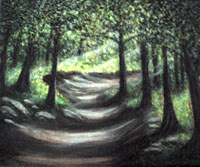
Summer is coming to a close. Autumn officially begins on September 22 this year. That means we have about 7 days of summer left, and we should all enjoy it to the fullest. Get outside, soak up the last of the Summer Sun, and savor it. Make this last week of summer fun, special, memorable, and educational!
Take the “Classroom” outside! As soon as the morning chores are done, head outside. Pack sack lunches, lunch boxes, a thermos, bottles of water, and snacks. Bring along backpacks, phones, cameras, binoculars, step counters or fitness trackers, books, field guides, notebooks, paper, pencils, pens.
Use your backyard, local parks, nature trails, or any green space for your “classroom” this week. Free your mind from daily worries and embrace the present moments spent outside with your children. Be open to whatever crosses your path as you observe and absorb your surroundings together. Try to visit different areas each day.
Flexibility is key this week – yet learning will occur! If your children are following a specific homeschool program and need to stay on-track, take the lessons with you. Allow them to complete lessons outside. Then engage with nature and let children spread their wings and explore.
As they explore the outdoors, what do they see? What can they do in this space? How do they feel here? What more would they like to do or see? Where else would they like to go? Encourage them to write or sketch these observations and feelings – Language Arts has now begun!
7 Days of Learning, 50 Activities
For 7 days of learning and 50+ activities, try these activities outdoors. You can do one activity per day, or all the activities each day, or variations of the activities every day, all year, rain or shine! And learning will naturally occur, each and every day.
1. Language Arts:
• Go on “Story Walks” along nature trails, in local parks, or in library gardens.
• Create your own “Story Walk” in your backyard or neighborhood green space.
• Read favorite books while swinging or relaxing in the branches of a tree.
• Sketch the scenes and vistas surrounding you, then describe why they're special to you.
• Read signs and plaques describing local areas of interest.
• Discuss things you had never noticed or experienced, and why they’re interesting.
• Write stories or essays about the places you visit and the things you see this week.
2. Social Studies:
• Create a map of your community parks, neighborhood green spaces, nature trails.
• Each day, draw the route you take, using different colors to indicate different days and areas visited.
• Describe landmarks encountered, such as gates or sign posts, trailheads or information displays, boulders or stone formations, waterfalls or creeks, bridges or boardwalks, monuments or memorials, etc.
• Learn the difference between “natural landmarks” and “cultural landmarks.”
• Research these landmark terms: geological landmarks, biological landmarks, architecture landmarks, archaeological landmarks, and see how they differ.
• Discuss how your local landmarks relate to the history of your town or community.
• Photograph, draw, or sketch these landmarks, and write about their history and importance to your area.
3. Science:
• Use field guides and binoculars to identify plants; wildflowers; trees; birds; insects; animals; urban wildlife; rivers, streams, or pond life; ocean, beach, or shoreline life, etc.
• Learn which birds, butterflies, or wildflowers are most common in your backyard or local parks.
• Plant flowers that attract birds, hummingbirds, butterflies, and bees to your own backyard.
• Build bird feeders, birdhouses, butterfly houses, bat houses, or natural habitats that will draw beneficial animals to your location.
• Plan dozens of outdoor activities by using books such as Outdoor Science Experiments; Backyard Science and Discovery; Nature Smarts; Outdoor Science Projects; and Exploring Nature.
• Observe the sky and clouds overhead. What type of cloud formations do you see? What type of weather might they bring? How has the location of the sun changed since you left your house this morning? Draw or describe these in your Science Journal.
• Write about your favorite places in your Science Journal or notebook, describing why those areas felt special to you, and add photos or drawings of them, too.
4. Math:
• Consult step counters, pedometers, or fitness trackers to tally up total steps and distance of nature walks each day.
• Determine the time spent on each walk, and if using a fitness tracker, determine the number of calories burned per time and distance.
• For comparisons, run around a track or trail, and compare that to walking the same track or trail, in terms of steps, time, distance, and calories burned.
• Create a chart in your Math Journal or notebook, illustrating the daily steps, distance, time, and calories burned.
• Using the map from Social Studies, calculate the distance or miles between your house and the park, nature trail, creek, local store, downtown square, etc.
• Using the construction ideas from Science, calculate the size, dimensions, openings, slats, etc. for birdhouses, feeders, bat houses, and other outdoor science projects.
• Formulate and draw blueprints or plans for constructing these projects, based upon your calculations, then take photos of the completed projects.
5. Life Skills:
• Use decision-making skills on where to walk or explore the outdoors each day, deciding what items to take along, what the weather will be like, and what to wear each day.
• Use critical-thinking skills on how to reach the places you want to go, the best routes to take, the most-interesting paths or trails to follow, the many things you can learn.
• Observe and note everything around you – the good and the not-so-good – and discuss why it's important to observe your surroundings.
• Obey safety rules and “rules of the road” – watching traffic, even on nature trails, exercising caution at crosswalks, and paying attention to traffic signals.
• Be respectful of other walkers, hikers, bicyclists, horse trail riders, and others who are outside to enjoy a day in nature.
• Be careful and aware of the inhabitants of nature, from insects and snakes, to bears and wolves, to alligators and sharks – it’s their home, too, so maintain safe distances.
• Clean up after picnics and science projects, and leave no trace behind – in other words: “Take only memories, leave only footprints.”
6. Art:
• Draw detailed maps of trails or places visited each day.
• Paint or draw colorful sketches of butterflies on flowers, birds in trees, fish in ponds, waves along the shoreline.
• Try urban sketches of landscapers working in the park, tables and umbrellas in an outdoor café, shopkeepers opening their doors, delivery trucks outside a storefront.
• Sketch a strolling musician, a plein air art event in the park, artwork in an art gallery, iron or concrete sculptures in the park.
• Learn about famous and not-so-famous artists, painters, sculptors in your town and the artwork they created.
• Try copying one of the artist’s artwork or creations, then try it again, in your own style.
• Take photos of all the artistic views you see on your walks, or outdoors in your own backyard, then sketch, paint, or create them from your photos.
7. Music:
• Listen – intently – to Nature’s Music: the birds singing to each other, the wind in the trees, crickets chirping in tall grasses, dry leaves rustling along the sidewalk, gravel crunching beneath your feet, the creek gurgling over rocks, waves crashing against the shoreline.
• Replicate these sounds of Nature’s Music the best you can, singing like the birds, whooshing like the wind, chirping like the crickets, gurgling like the creek.
• Create your own songs about nature, composing the lyrics and melody to express your feelings about being outside.
• Dance to the music from a concert in the park.
• Learn about the local musicians in your area and try to see their performances.
• Visit music stores and look at new music or instruments you’d like to learn to play.
• Perform a musical or create a play based upon your experiences in nature this week.
Remember to explore nature often, and enjoy the great outdoors, rain or shine, summer or winter, spring or fall – and enjoy it all!
Happy homeschooling!
Thursday, September 8, 2022
Free Books to Read + Benefits of Reading
Here are 7 important benefits of reading, followed by 12 websites that provide free books for your children to read online.
1. Reading a book or story for 20 to 30 minutes per day is considered “brain food” for your children!
2. Reading stimulates and exercises various areas of the brain, and it enhances language skills and vocabulary skills every day.
3. Reading makes connections in the brain, building upon current knowledge and leading to additional knowledge and comprehension each time a new book is read.
4. Reading fires up the imagination and creativity, opening your child’s mind to greater possibilities, ideas, and inspiration.
5. Reading increases attention spans and concentration, helping children to focus better, stay in the moment, and stay on-task.
6. Reading improves test scores and skills in all subjects areas, including math, science, technology, social studies, art, music, as well as reading, writing, and language arts.
7. Reading is pure joy, taking us anywhere we want to go! Read together as a family, and encourage children to read on their own, to help establish a wonderful reading habit that will provide entertainment and education for a lifetime.
Free Books to Read!
Here’s a variety of Children’s Books for free. Read, discuss, dramatize, draw, explore, experiment - you’ll be learning every day! And you can start right now!
1. Storyline Online: Stories Read to Children
2. Free Children’s Stories: Free Children’s Stories
3. Magic Keys Books: Magic Keys Books
4. Story Jumper: Story Jumper
5. Story Berries: Story Berries
6. Free Kid’s Books: Free Kid’s Books
7. Shakespeare's Plays: Shakespeare Plays
8. Project Gutenberg Children’s Books: Project Gutenberg Books
9. Open Library: Open Library
10. Funbrain Reading: Funbrain Books
11. Epic Books: Epic Books
12. Reading Resources: Reading Resources
Local Libraries: Of course, your local library is one of the greatest free resources for reading! Besides stories and reading for pleasure, here's a few ideas for books on specific topics:
Book Suggestions on Specific Topics:
1. Spectacular Stories for Curious Kids (history)
2. World's Wildest Places and the People Protecting Them (social studies)
3. Super Cool Science Experiments for Kids (science)
4. Math Riddles for Smart Kids (math)
5. Ultimate Book of the Future (technology)
6. Organic Artist for Kids (art and nature)
7. Make Music: Creating, Playing, Composing (music)
Note: Keep a Reading Log, tracking the books and stories children have read. Include the title of the book, the author, and the date read. Have children describe why they liked the story, and have them sketch the cover or illustrations from the book. Tally up the number of books read daily, weekly, monthly, and yearly. You'll be amazed at the results!
Happy homeschooling!
1. Reading a book or story for 20 to 30 minutes per day is considered “brain food” for your children!
2. Reading stimulates and exercises various areas of the brain, and it enhances language skills and vocabulary skills every day.
3. Reading makes connections in the brain, building upon current knowledge and leading to additional knowledge and comprehension each time a new book is read.
4. Reading fires up the imagination and creativity, opening your child’s mind to greater possibilities, ideas, and inspiration.
5. Reading increases attention spans and concentration, helping children to focus better, stay in the moment, and stay on-task.
6. Reading improves test scores and skills in all subjects areas, including math, science, technology, social studies, art, music, as well as reading, writing, and language arts.
7. Reading is pure joy, taking us anywhere we want to go! Read together as a family, and encourage children to read on their own, to help establish a wonderful reading habit that will provide entertainment and education for a lifetime.
Free Books to Read!
Here’s a variety of Children’s Books for free. Read, discuss, dramatize, draw, explore, experiment - you’ll be learning every day! And you can start right now!
1. Storyline Online: Stories Read to Children
2. Free Children’s Stories: Free Children’s Stories
3. Magic Keys Books: Magic Keys Books
4. Story Jumper: Story Jumper
5. Story Berries: Story Berries
6. Free Kid’s Books: Free Kid’s Books
7. Shakespeare's Plays: Shakespeare Plays
8. Project Gutenberg Children’s Books: Project Gutenberg Books
9. Open Library: Open Library
10. Funbrain Reading: Funbrain Books
11. Epic Books: Epic Books
12. Reading Resources: Reading Resources
Local Libraries: Of course, your local library is one of the greatest free resources for reading! Besides stories and reading for pleasure, here's a few ideas for books on specific topics:
Book Suggestions on Specific Topics:
1. Spectacular Stories for Curious Kids (history)
2. World's Wildest Places and the People Protecting Them (social studies)
3. Super Cool Science Experiments for Kids (science)
4. Math Riddles for Smart Kids (math)
5. Ultimate Book of the Future (technology)
6. Organic Artist for Kids (art and nature)
7. Make Music: Creating, Playing, Composing (music)
Note: Keep a Reading Log, tracking the books and stories children have read. Include the title of the book, the author, and the date read. Have children describe why they liked the story, and have them sketch the cover or illustrations from the book. Tally up the number of books read daily, weekly, monthly, and yearly. You'll be amazed at the results!
Happy homeschooling!
Subscribe to:
Posts (Atom)